



Self-Care is the practice of taking care of your physical, mental, emotional, and spiritual well-being to promote health and wellness.
It is essential for maintaining overall health and resilience against stressors in life.
Self-care can include activities such as exercise, meditation, proper nutrition, and seeking support when needed.
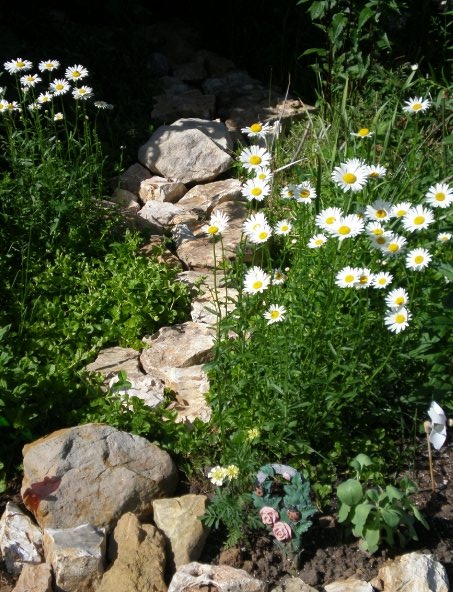
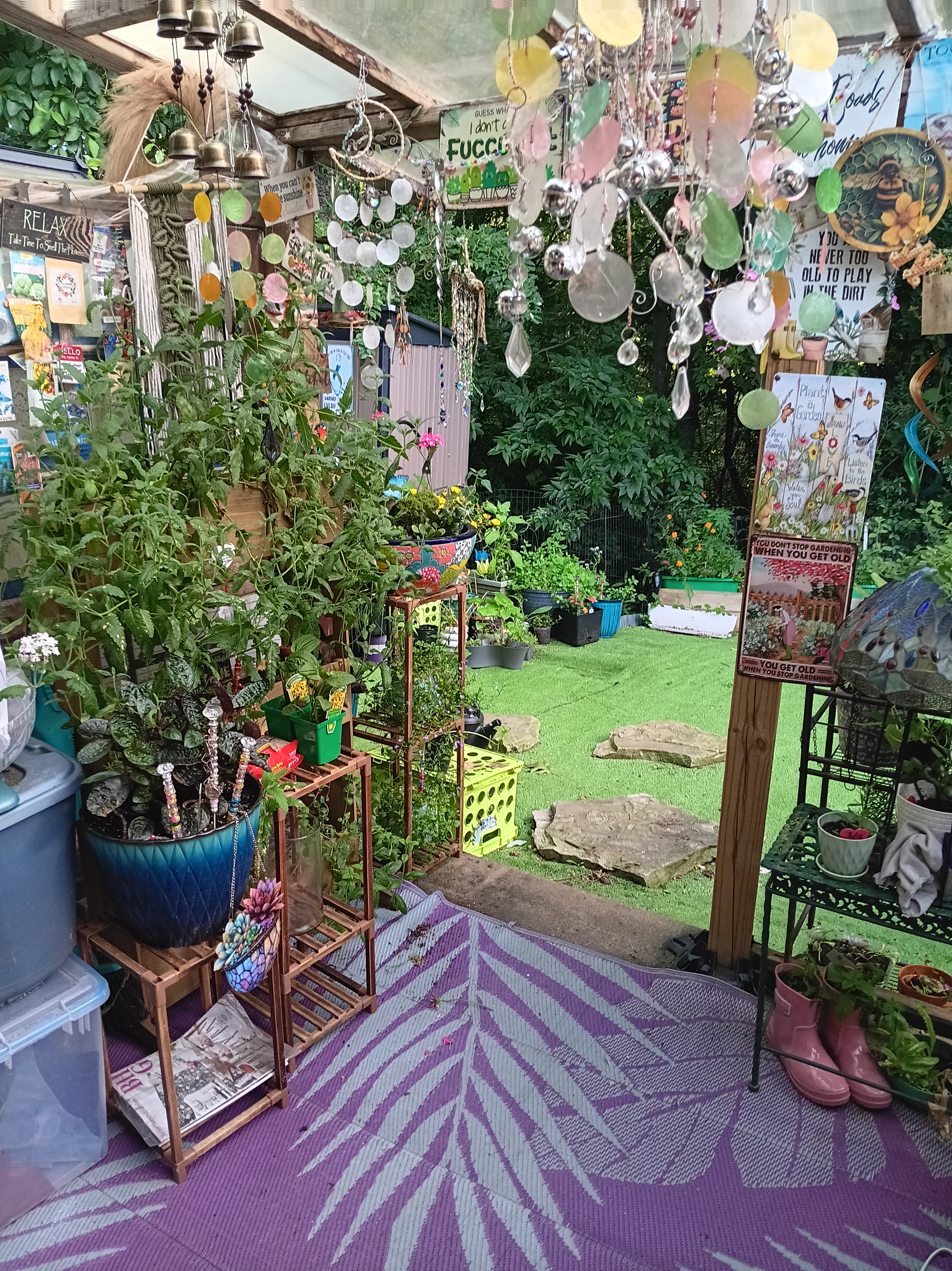
My self-care includes gardening, growing orchids, walking, online website/blog, playing with my dogs, and writing.

It is not a form of indulgence, but a vital part of a person’s overall health and well-being.
It is the mindset of being truly present in the current moment, whether you achieve that through meditation or mindful thoughts.
Often it is normalcy that promotes your brain health often while it exercises you physically. Exercise improved cognitive ability in people 50+
Music is a prime suspect for improving the nimbleness of the brain and it engages multiple neural sustems of the brain.
Gardening is the perfect way to improve the nerve growthnfactors related to memory. It also results in a sense of accomplishment, which is linked with better cognitive health.
Art & Crafts are a great way to keep your brain healthy. Participants have found the activities relaxing and reported improvements in creativity and problem-solving.
Volunteering lets social interaction that keeps the brain agile and also allows us the feel a sense of connection and purpose.
Needlecraft–sewing, quilting, crocheting, knitting, lacemaking and embroidorey are hobbies that support brain health.
Reading prevents long-term decline in cognitive function and keeps language centers activated.
Puzzles and Games are not just a way to waste time; they support brain health. Word puzzles can help language skills and strategic and flexible thinking.
Birdwatching or other encounters with birdlife. Improvement include mental well-being, including in people with a diagnosis of depression.






 Growing Up Hilt